
Faced with the uncertainty of a cancer diagnosis, a biopsy is a crucial step in the search for answers. Whether you’re a patient, a loved one, or simply curious, understanding this process can make all the difference. Often met with apprehension, a biopsy is a technique that allows doctors to analyze tissue samples to detect the presence of cancerous cells. Early diagnosis can be key to determining the right treatments. In this article, we’ll demystify the biopsy and its essential role in the fight against cancer. You’ll learn about the different types of biopsies, how they are performed, and what to expect after the procedure. By staying informed, you’ll be better prepared to face this challenge and make informed decisions about your health. Join us as we shed light on an often misunderstood but vital topic.
What is a biopsy?
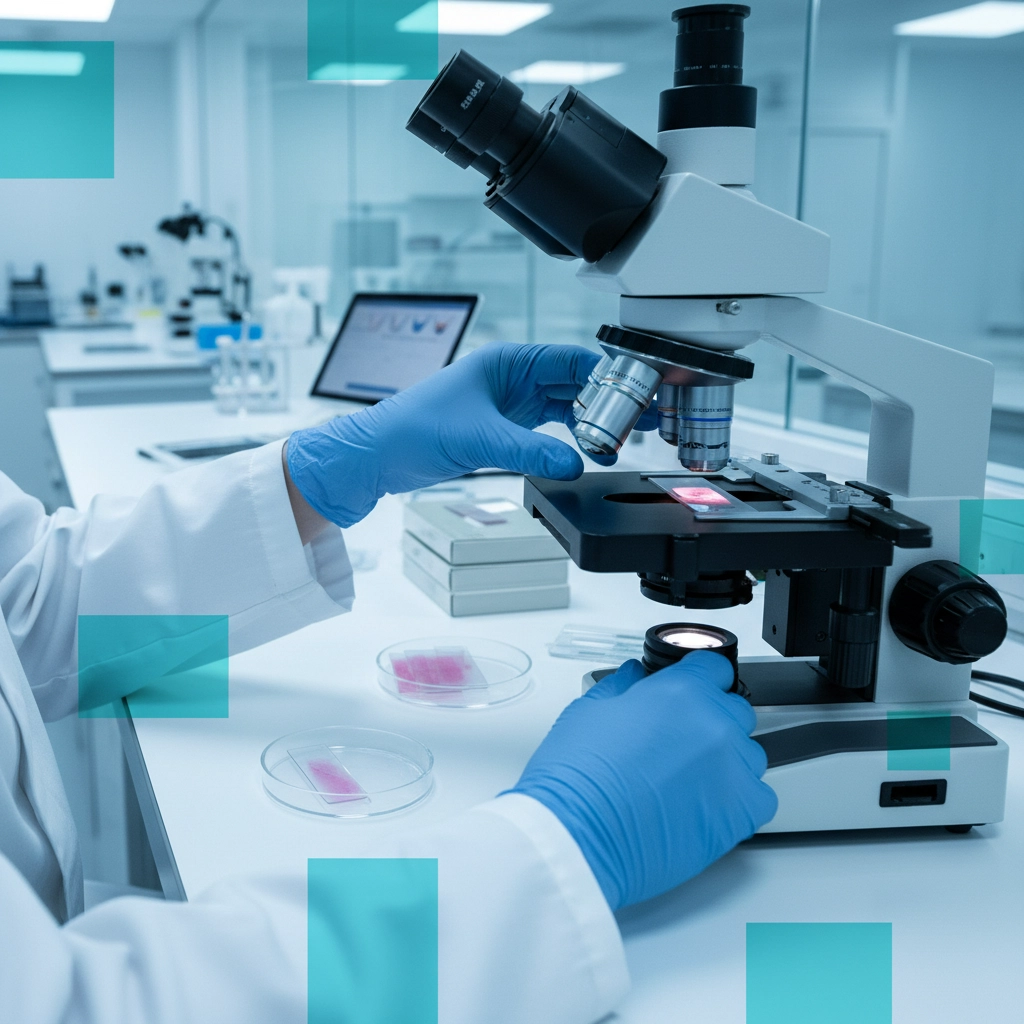
A biopsy is an essential medical procedure that involves taking a sample of tissue or cells for further analysis in a laboratory. This examination is often used to determine whether abnormalities in the body are benign or malignant. Unlike other diagnostic methods that can only detect the presence of a mass or tumor, a biopsy allows for detailed cellular analysis, providing an accurate diagnosis.
The sample can be collected in several ways, depending on the location of the area being examined and the type of tissue involved. For example, a biopsy can be performed using a fine needle to extract cells or may require a surgical incision to remove a larger tissue sample. The goal is to provide precise information about the nature of the suspicious lesion and guide future treatment decisions.
Understanding what a biopsy is and its importance in cancer diagnosis is crucial not only for patients but also for their loved ones. Good information can help reduce anxiety and mentally prepare for what is often perceived as an intimidating step. A biopsy remains one of the most reliable tools for definitively diagnosing the presence of cancerous cells and determining their type and aggressiveness.
The Different Types of Biopsies
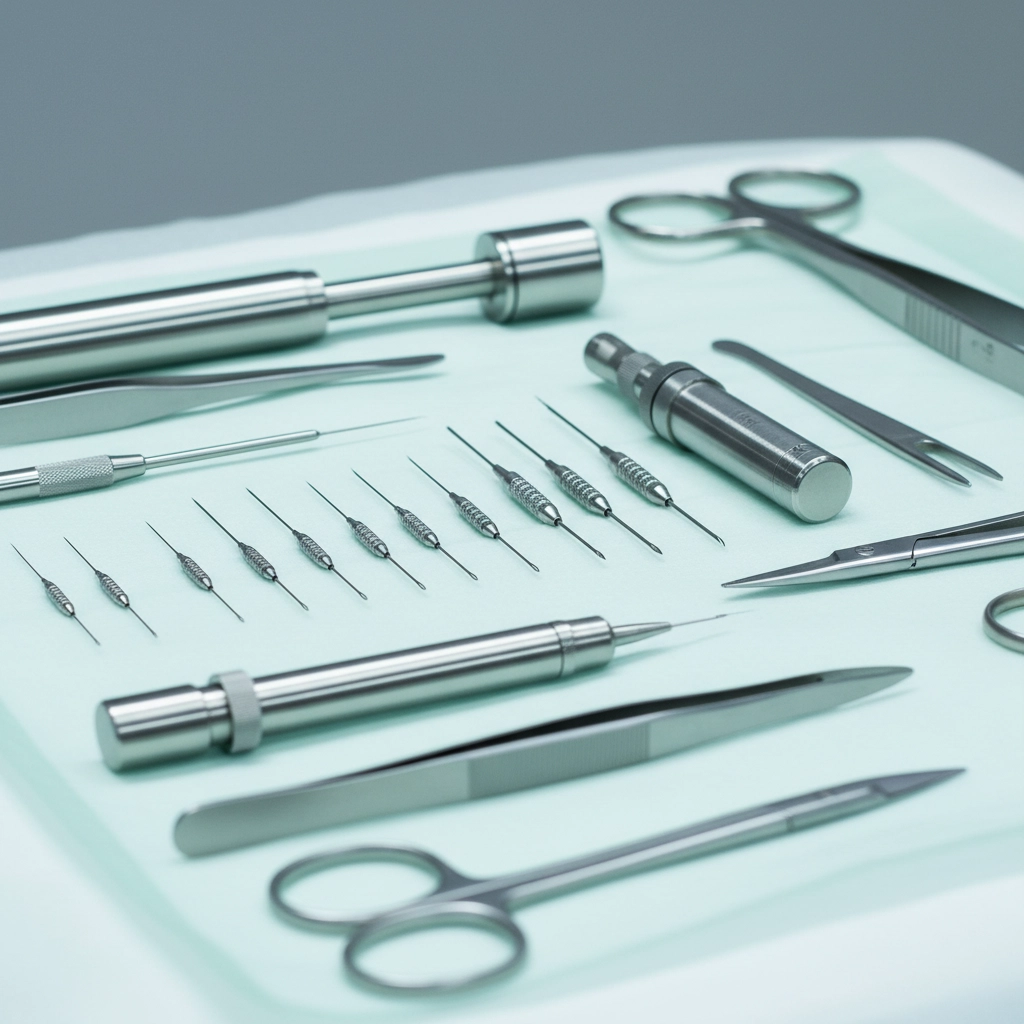
There are several types of biopsies, each adapted to a specific clinical situation. Among the most common is the fine-needle aspiration (FNA) biopsy, which is mainly used to examine superficial nodules or masses. This type of biopsy is often performed under ultrasound guidance to ensure the accuracy of the sample collection. The fine needle allows cells to be collected without requiring a large incision, which reduces risks and post-procedure pain.
The core needle biopsy, on the other hand, allows for the collection of a larger tissue sample and is often used for deeper tissues or when the results of a fine-needle biopsy are inconclusive. This procedure may require local anesthesia and imaging guidance to ensure the sample is taken from the correct location. Surgical biopsies, such as an excisional biopsy, are more invasive and involve the complete removal of a suspicious lesion. They are generally performed when other biopsy techniques are not suitable or have not provided definitive results.
Finally, endoscopic biopsies use an endoscope to access internal organs such as the colon, stomach, or lungs. This technique allows for direct visualization of the target area and collection of samples under visual control. Each type of biopsy has its own indications, advantages, and disadvantages, and the choice of method will depend on many factors, including the location of the lesion, the patient’s general health, and the information needed to make an accurate diagnosis.
Why is a biopsy necessary for cancer diagnosis?
A biopsy is an indispensable tool in cancer diagnosis because it provides precise and reliable information about the nature of the cells in a suspicious lesion. While other imaging techniques, such as X-rays, ultrasounds, or MRIs, can indicate the presence of a mass or abnormality, they cannot determine whether these abnormalities are benign or malignant. A biopsy resolves this uncertainty by providing a microscopic analysis of the collected cells.
When a doctor suspects cancer, a biopsy is often the only way to confirm or rule out this diagnosis. The cells collected during the biopsy are examined by a pathologist, who looks for signs of malignancy, such as abnormal cells or atypical structures. This analysis also helps determine the type and grade of the cancer, which is essential for developing an appropriate treatment plan. By knowing the exact type of tumor, doctors can choose the most effective therapies and personalize care based on the specific characteristics of the disease.
Furthermore, a biopsy can provide information about the biological behavior of the tumor, such as its growth rate and potential to spread. This data is crucial for evaluating the patient’s prognosis and planning the next steps in treatment. In short, a biopsy plays a central role in the diagnosis and management of cancer, offering detailed and precise information that guides all therapeutic decisions.
How is a biopsy performed?

The process of a biopsy largely depends on the type of procedure chosen and the location of the area being examined. However, there are some general steps common to most biopsies. Before the procedure, the patient receives specific preparation instructions, which may include dietary restrictions or recommendations regarding medication use. It is also important to discuss with the doctor any allergies or pre-existing medical conditions that could impact the procedure.
During the biopsy, local anesthesia is often administered to numb the area and minimize discomfort. In some cases, sedation or general anesthesia may be required, especially for more invasive biopsies. The doctor then uses sterile instruments to collect the necessary tissue or cell sample. This may involve using a thin or thick needle, an endoscope, or even making a small surgical incision. The procedure is generally guided by imaging, such as ultrasound or CT scans, to ensure accurate sampling.
After the biopsy, the sample is sent to a laboratory for analysis. The biopsy site is cleaned and bandaged, and the patient receives instructions for post-procedure care. Specific recommendations may include activity restrictions, wound care, and monitoring for signs of infection. Recovery depends on the type of biopsy and the patient’s individual reaction, but most people can resume normal activities within a few days. Biopsy results are typically available within a few days to a few weeks, depending on the complexity of the required analysis.
Risks and Side Effects of a Biopsy
Like any medical procedure, biopsies carry risks and side effects, although these are generally rare and minor. One of the most common risks is infection at the biopsy site, though modern techniques and aseptic precautions greatly minimize this risk. Patients should watch for signs of infection, such as redness, swelling, increased pain, or pus discharge, and contact their doctor if these symptoms occur.
Bleeding is another possible side effect, especially in biopsies involving internal organs or highly vascularized tissues. Most bleeding is minor and resolves on its own, but more significant bleeding may require medical attention. Bruising and pain at the biopsy site are also common, though these symptoms are usually temporary and can be managed with over-the-counter pain relievers and proper care.
Rare complications may include a reaction to anesthesia, damage to nearby organs, or issues with prolonged recovery. It’s important for patients to discuss their medical history and any concerns with their doctor before the procedure to assess specific risks. Despite these risks, biopsies remain an essential and often the only reliable method for obtaining an accurate cancer diagnosis, with the potential benefits outweighing the risks in terms of diagnosis and treatment.
Interpreting Biopsy Results
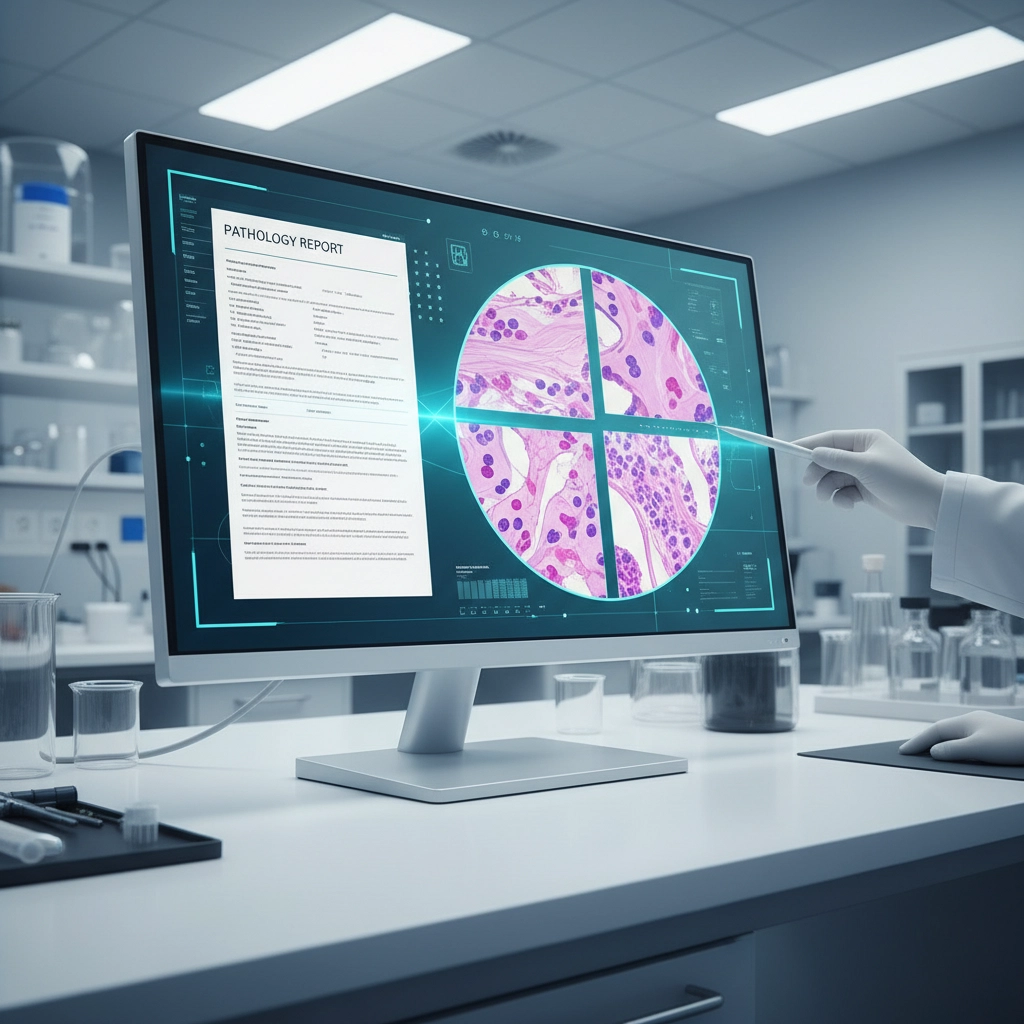
Interpreting Biopsy Results: A Critical Step in Diagnosis
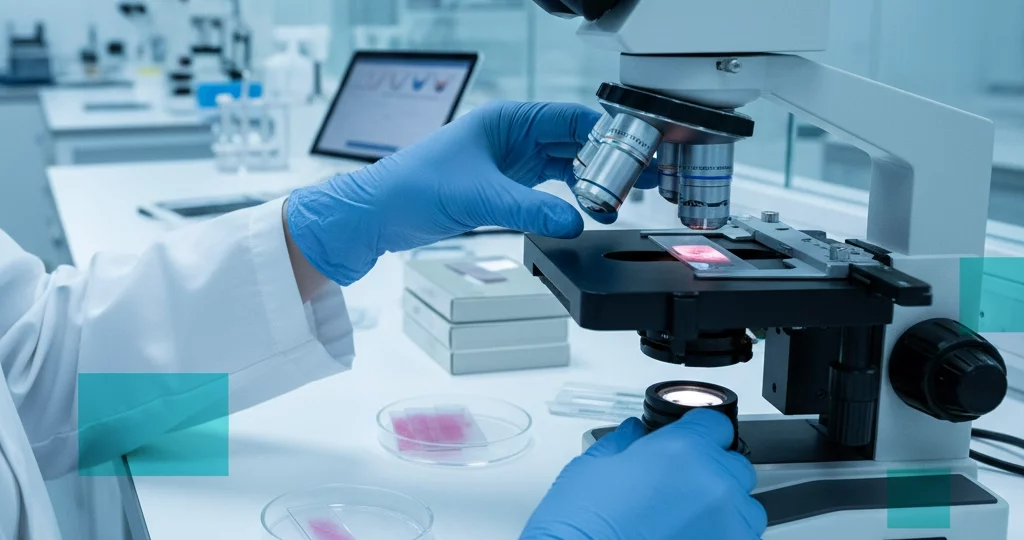
The interpretation of biopsy results is a crucial step in determining the diagnosis and guiding future treatment decisions. Once the tissue or cells are collected, a pathologist examines them under a microscope to detect any cellular abnormalities. The results may indicate the presence of normal cells, precancerous cells, or cancerous cells. The pathologist can also assess the type of cancer, its grade, and specific characteristics, such as molecular markers.
The pathology report is a detailed document that includes descriptions of the cells and tissues examined, along with diagnostic conclusions. This report is sent to the treating physician, who discusses the findings with the patient. It is important for patients to ask questions to fully understand the conclusions and their implications. For example, the cancer grade, which describes how quickly the cancer cells are growing and how aggressive they are, can influence the treatment options provided.
In some cases, biopsy results may be inconclusive, requiring additional tests or a new biopsy. Complementary analyses, such as genetic tests or immunohistochemical studies, may also be needed to obtain a more accurate diagnosis. The precision and thoroughness of biopsy results are essential for developing a personalized and effective treatment plan, emphasizing the importance of clear and open communication between the patient and healthcare professionals.
Biopsy and Early Cancer Diagnosis
Early cancer diagnosis is vital to improving patients’ chances of recovery and quality of life. Biopsies play a central role in early detection by identifying cancerous cells before the disease spreads or becomes symptomatic. Cancers detected at an early stage are often easier to treat and have a better prognosis, highlighting the importance of biopsies as a screening tool.
Screening programs, such as mammograms for breast cancer or colonoscopies for colorectal cancer, can detect abnormalities that require a biopsy to confirm a cancer diagnosis. By enabling early diagnosis, these biopsies can lead to less invasive and more effective treatments. For instance, early-stage breast cancer may be treated with conservative surgery and radiation, while late-stage cancer may require a mastectomy and chemotherapy.
Biopsies also help assess the risk of recurrence and monitor treatment response. For example, in hematologic cancers like leukemia, repeated bone marrow biopsies may be necessary to track treatment progress and adjust therapeutic protocols. In summary, biopsies are essential not only for initial diagnosis but also for ongoing cancer management, enabling a proactive and personalized approach to combating the disease.
Alternatives to Biopsy
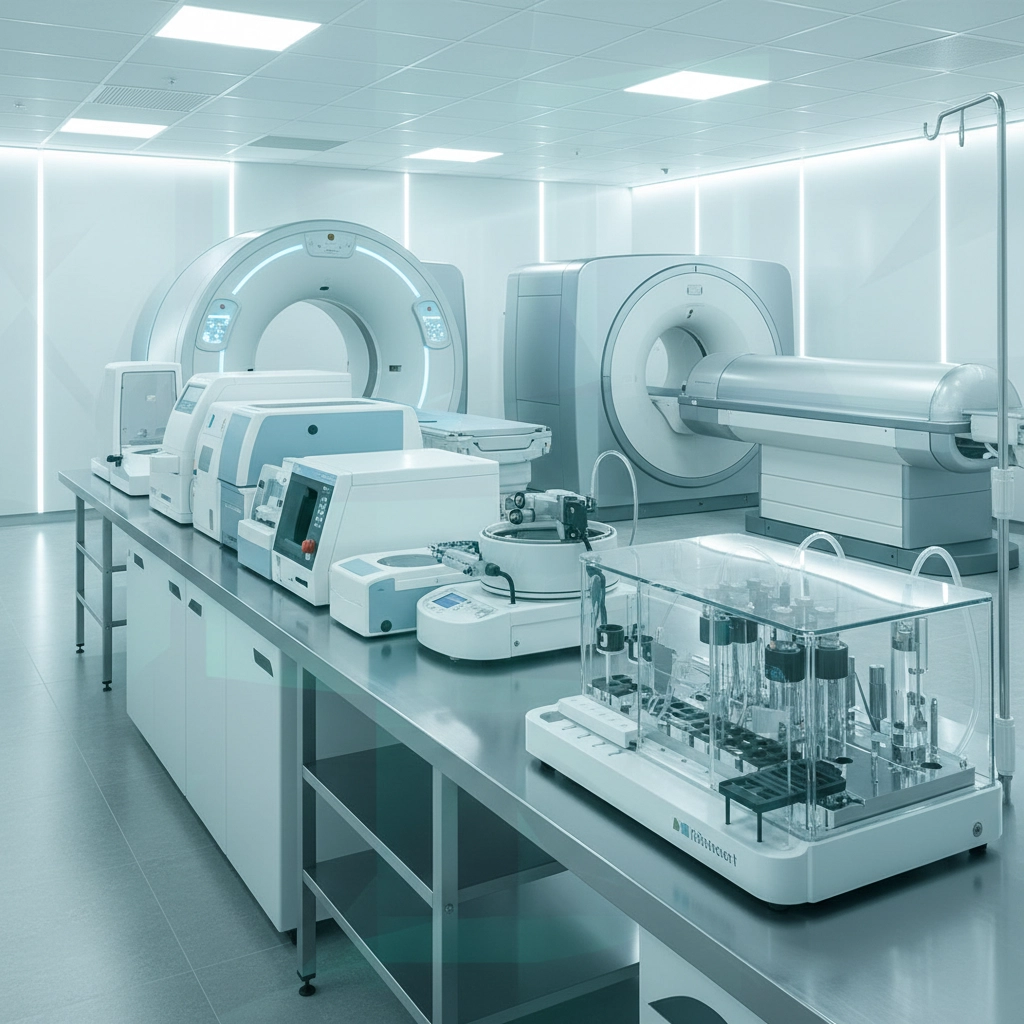
Although a biopsy is often considered the gold standard for cancer diagnosis, there are alternatives that can be used in certain situations. Advanced imaging techniques, such as computed tomography (CT), magnetic resonance imaging (MRI), and positron emission tomography (PET), provide detailed information on the location, size, and spread of tumors. However, they cannot always differentiate between benign and malignant tissue with the same accuracy as a biopsy.
Blood biomarkers are another promising alternative. These tests detect specific substances in the blood, often produced by cancer cells. For example, PSA (prostate-specific antigen) is used to screen for prostate cancer, and CA-125 can monitor ovarian cancer. However, these tests are not always specific and may produce false positives or negatives, often requiring a biopsy for confirmation.
Finally, liquid biopsies, which analyze circulating tumor DNA in the blood, are an emerging technology that could revolutionize cancer diagnosis and monitoring. These non-invasive tests can detect specific genetic mutations associated with cancers and monitor treatment responses. While promising, these tests are not yet widely available and require further research to become a viable alternative to traditional biopsies.
Patient Testimonials: Experiences with Biopsies
Patient stories about undergoing a biopsy offer valuable insights into the process and can help demystify the procedure. Marie, a 45-year-old patient diagnosed with a breast nodule, shares: “When my doctor said I needed a biopsy, I was terrified. But the medical team was very reassuring and explained every step. The procedure was quick, and although I felt slight discomfort, the pain was minimal. The results confirmed early-stage cancer, and I was able to start treatment immediately.”
Jean, a 60-year-old man who underwent a prostate biopsy, reflects on his experience: “I was anxious about the procedure, especially after hearing stories about the pain. However, the biopsy went smoothly. The local anesthesia worked well, and I felt more pressure than pain. The results showed a benign tumor, which was a huge relief. I’m grateful I did the biopsy because it gave me peace of mind.”
These testimonials show that while biopsies may seem intimidating, they are generally well-tolerated and provide crucial information for cancer diagnosis and treatment. Positive patient experiences can help alleviate fears and encourage those facing a biopsy to approach the procedure with confidence.
Conclusion and Next Steps After a Biopsy
A biopsy is a critical step in diagnosing and treating cancer, providing precise and detailed information about the nature of abnormal cells and tissues. While the procedure may seem daunting, it is typically quick, well-tolerated, and an indispensable diagnostic tool. The different types of biopsies, sampling methods, and interpretation of results all play a vital role in managing the disease.
After a biopsy, it’s important to follow the post-procedure instructions provided by your doctor, monitor for signs of infection, and take care of the biopsy site. The biopsy results will guide the next steps in treatment, whether it’s monitoring disease progression, starting therapy, or planning surgery. Communication with your medical team is crucial to understanding the results and their implications for your treatment plan.
In conclusion, while biopsies may cause apprehension, they remain an irreplaceable tool in the fight against cancer. By learning about the process, patients can approach the procedure with greater confidence and peace of mind. Advances in biopsy techniques and diagnostic alternatives continue to improve accuracy and patient comfort, offering an optimistic outlook for the future of cancer diagnosis and treatment.
For more information about our biological testing services or to explore our range of surgical specialties, feel free to contact us. You can also check out additional resources on Wikipedia to dive deeper into the applications and medical uses of biopsies.